
Aircon Installation: Circuits, Isolators & Switchboards
Planning an aircon installation for your Melbourne home involves more than choosing the right split system or ducted unit. The electrical work behind your air conditioner determines whether your new system runs safely, efficiently and reliably for years to come.
Many homeowners are surprised to learn that older properties often need dedicated circuits, isolator switches and even full switchboard upgrades before an air conditioner install can proceed. Skipping these steps is not just a compliance issue. It affects your comfort, your energy bills and the long-term life of your equipment.
In this article you will learn what electrical components a compliant aircon installation requires, how to spot the warning signs your home needs upgrades, and what to expect when you book expert installation with a qualified team.
Why Electrical Requirements Matter for Your Aircon Installation
Modern air conditioners draw significant power, especially larger ducted systems and reverse cycle units that also heat your home in winter. Running a new aircon off an existing shared circuit can overload wiring, trip breakers repeatedly and create real fire risks.
Melbourne homes vary widely in age and electrical capacity. Properties across the Eastern suburbs like Ringwood, Croydon and Lilydale often have switchboards installed decades ago that were never designed for today's appliance loads. Yarra Valley homes face similar challenges, particularly older weatherboard properties with original wiring.
Skipping proper electrical preparation causes ongoing costs. You might experience nuisance tripping that shuts down your cooling on the hottest days. Your compressor may fail prematurely due to unstable voltage. Insurance claims can even be denied if a fault traces back to non-compliant installation work.
Delaying electrical upgrades also affects efficiency. An aircon starved of proper power draws more current, works harder and pushes up your energy bills. Getting the electrical foundation right at installation is far cheaper than fixing problems later.
Dedicated Circuits: Why Your Air Conditioner Needs Its Own Power Line
Every aircon installation should run on a dedicated electrical circuit. This means a single cable running from your switchboard directly to your air conditioner, with no other appliances sharing that line.
Dedicated circuits protect your system in three key ways. They provide consistent voltage for smooth compressor operation. They isolate faults so a problem with your fridge or washing machine will not disrupt your cooling. And they meet current wiring rules under AS/NZS 3000, the Australian Standard governing electrical installations.
Circuit size depends on the aircon capacity. A small bedroom split system might need a 10 amp circuit, while a large ducted system could require 20 or 25 amps on a single phase supply. The biggest commercial applications may need three-phase power entirely.
Undersized circuits create heat, waste energy and shorten the life of your equipment. Your electrician will calculate the correct cable size, breaker rating and RCD protection based on your specific unit. This is not a job for guesswork or shortcuts.
Isolator Switches: The Safety Component You Cannot Skip
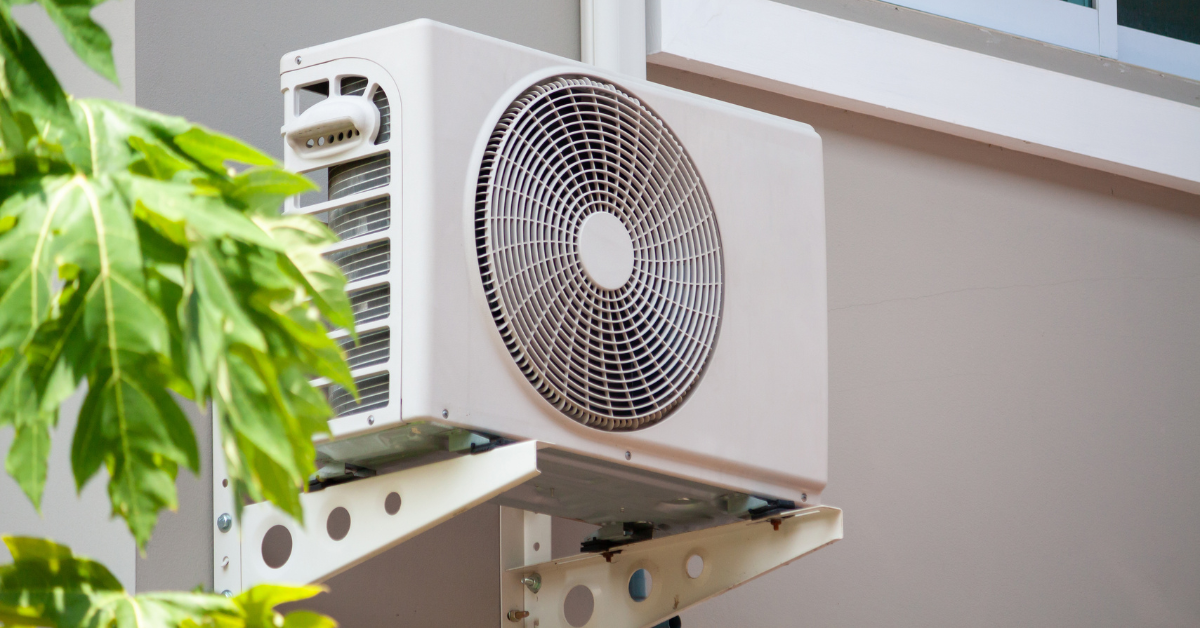
An isolator switch is a weatherproof disconnection point installed close to your outdoor aircon unit. It allows the entire system to be cut off from power for servicing, repairs or emergencies without needing to access your main switchboard.
Isolator switches are mandatory under Australian wiring rules for every air conditioner install. They must be visible, accessible and rated to handle the full electrical load of your system. Cheap or undersized isolators are a common shortcut that fails inspection and creates hazards for anyone working on your unit.
For split systems, the isolator typically sits on an external wall within sight of the outdoor condenser. For ducted systems, it protects the whole unit including the indoor fan coil. Commercial installations may require multiple isolators depending on system layout.
A properly installed isolator switch also makes future service and maintenance safer and cheaper. When your technician can safely lock out power at the unit itself, maintenance visits are quicker and there is no risk of accidentally energising the wrong circuit.
Switchboard Upgrades: When Your Main Panel Needs an Update
Older Melbourne homes often have ceramic fuse boards or early circuit breaker panels with limited capacity. Adding a modern aircon to one of these boards can push it past safe limits, even if there is a spare slot available.
A switchboard upgrade is often the smartest long-term investment to complete during your aircon installation. New switchboards provide more circuit space, modern RCD safety switches on every circuit and surge protection to shield your appliances from lightning and grid faults.
Signs your switchboard may need upgrading include:
- Ceramic fuses with wire elements
- Absence of safety switches on power and lighting circuits
- Rewireable fuses instead of modern breakers
- Mixed old and new equipment crammed into the board
- Scorch marks, burning smells or discolouration
- Panels that were installed before the year 2000
Costs vary based on complexity, but a switchboard upgrade completed alongside your air conditioning installation is usually more economical than doing it as a separate job later. It also brings your entire home up to current safety standards, protecting every appliance you own.
Compliance, Certification and Energy Efficiency
Signs Your Home Needs Electrical Work Before Aircon Installation
Watch for these indicators that your property needs electrical upgrades before your aircon installation:
- Your switchboard uses ceramic fuses or lacks RCD safety switches
- Circuit breakers trip regularly when multiple appliances run
- Lights flicker when the kettle, oven or existing aircon starts up
- The home was built or last rewired more than 30 years ago
- Your existing aircon has no isolator switch nearby
- Powerpoints feel warm or show signs of discolouration
- Previous electrical work looks patched together or unprofessional
Ignoring these warnings leads to breakdowns, higher energy bills and safety risks. On the hottest summer days, when your air conditioning is working hardest, an undersized or ageing electrical system is most likely to fail. That is the worst possible time to lose your cooling.
Booking a qualified assessment early avoids these problems. A proper site visit identifies exactly what your home needs so there are no surprises on installation day.
TruEast's Approach to Aircon Electrical Work
At TruEast we start every aircon installation with an honest assessment of your existing electrical setup. We do not push unnecessary upgrades, and we do not cut corners that create safety risks down the track.
Our team includes fully qualified electricians and refrigeration technicians who completed four-year apprenticeships, rather than holding restricted licences. This means we handle both the electrical and refrigeration sides of your installation in-house, with proper accountability and consistent quality control.
We provide clear written quotes covering any circuit work, isolator switches or switchboard upgrades your property needs. Where you qualify, we also handle the Victorian Energy Upgrades paperwork so you get every rebate dollar available without navigating the admin yourself.
TruEast serves homeowners and businesses across Melbourne's Eastern suburbs, the Yarra Valley and the Dandenong Ranges. From compact split systems to complex ducted units and full HVAC fit-outs, we deliver work that meets Australian Standards and stands the test of time.
Electrical Requirements Checklist for Your Aircon Installation
Before accepting any quote for an air conditioner install, run through these key points:
- Confirm the installer holds current electrical and refrigeration licences
- Ask whether your unit will run on a dedicated circuit sized for its load
- Verify an appropriately rated isolator switch is included in the quote
- Request a switchboard assessment to identify any capacity issues
- Ensure a Certificate of Electrical Safety will be provided on completion
- Ask about Victorian Energy Upgrades rebate eligibility for reverse cycle systems
- Get all electrical scope and pricing clearly documented in writing
These questions protect your investment and give you confidence in the outcome. Reputable installers welcome them because they demonstrate proper preparation and transparency.
Book Your Aircon Installation Consultation
Getting the electrical foundation right transforms your aircon installation from a short-term fix into decades of reliable, efficient comfort. Proper circuits, quality isolator switches and modern switchboards protect your home, reduce running costs and keep your family safe year-round.
TruEast provides honest assessment, expert installation and ongoing support for homeowners and businesses across Melbourne's Eastern suburbs, the Yarra Valley and the Dandenong Ranges. Whether you need a single split system or a full ducted upgrade, our qualified team gets both the refrigeration and electrical work right the first time.
Call us on (03) 4054 5310 or 0411 215 360 to book your consultation and get a clear, honest quote for your next aircon installation.